

Building an innovation culture in the CB group
From awareness to action: redefining leadership for a lasting future.
- client request
The client, a family business of nearly 600 employees working in aggregates, concrete and refractories, wants to move towards a more innovative company culture by making its managers accountable for the innovation capacity of their teams.
The group works well but it is very inward looking, and opening up to the outside would multiply its capacity to innovate.
The leadership team wants the teams to be more open to external change and able to turn it into opportunity. That calls for the company culture to evolve, bringing managers into the development of a new management culture built on autonomy, creativity and boldness.
Below is the introductory video filmed for the client on the role of the innovation manager.
- challenges
To work through the challenges the leadership team wants to take on, the company needs to think strategically about how adaptable its middle and operational management is. Several areas deserve particular attention:
- Raising awareness of how the world is changing: The first step towards adaptability and innovation is realising that the world has changed and, above all, understanding what those changes mean for each of us. Teams therefore need to be made aware of how important it is to understand and adapt to the rapid changes affecting our environment. That awareness will lay the foundations for a more agile and more responsive company culture.
- Transforming management: The management style adopted can make all the difference to how a team responds to challenges. It is therefore essential to explore different management styles, such as collaborative management, to identify the one that best matches the needs and the objectives of the company.
- Framework convention and rollout: To make sure the strategies are implemented effectively, a working group made up of members of the Comex will be responsible for defining a clear vision and a rollout plan suited to each business line of the company. This framework will align the efforts of everyone involved and make sure the initiatives are in step with the overall objectives of the company.
- Innovation culture: In many sectors, conservatism can hold innovation back. It is therefore imperative to counter those conservative tendencies in order to build a genuine innovation culture. That means questioning established ways of working and encouraging a mindset of openness and curiosity.
- stakes
In an economy where stability is rare and where every decision can have knock on effects, companies have to work through a maze of issues that affect their profitability, the cohesion of their teams and the agility of their organisation. Here are some strategic pillars worth examining closely:
- Securing the long term future of the group by adapting to market change. In a world where 10 % of French SMEs that have to close do so for lack of skills, long term survival is tied more closely than ever to the ability to adapt. For the group, that means watching market movements constantly and reacting quickly to adjust its management strategies.
- Building a culture of innovation and adaptability. According to a McKinsey study, the most innovative companies perform 67 % better than their peers in terms of profitability. For the CB group, that could translate into a significant increase in revenue over the long term. At the same time, the group needs to invest in continuous training for its employees to prepare them for the changes the sector will inevitably bring.
- Harmonising management practices to encourage collaboration and efficiency. Companies that encourage collaboration between teams see a 21 % increase in profitability. For the client, that means investing in management training and collaboration tools. Harmonising management practices can reduce organisational silos, which allows information to move more freely and decisions to be made more quickly.
- Engaging the whole organisation around a common and shared vision. Companies with engaged employees outperform those with disengaged employees by nearly 202 %, based on my observations. For the group, that means aligning every level of the organisation around a common vision.
- solution
Preparation
Run a working group with the Comex to understand the cultural changes expected and the values that culture rests on.
Vision
Develop a clear vision for the group and define the principles of engagement that will guide the cultural change.
Awareness
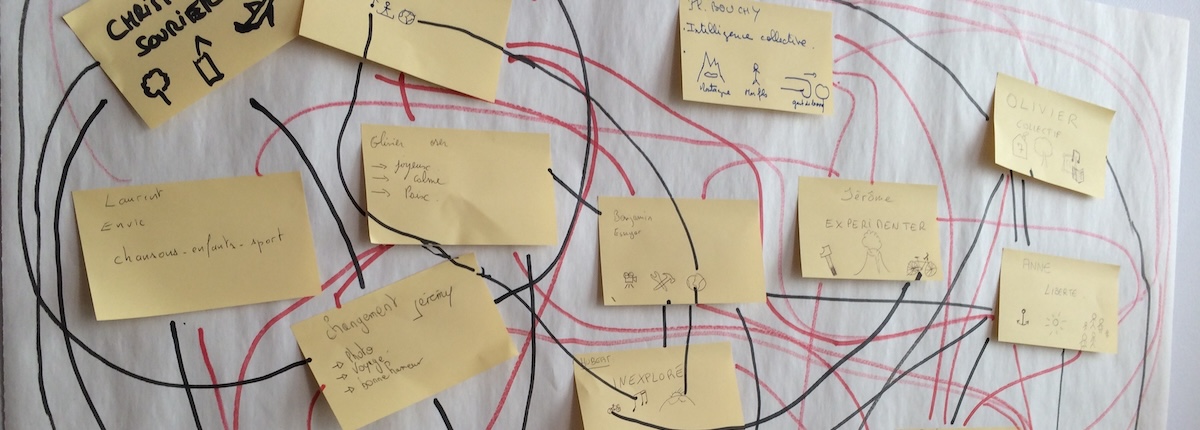
Run a day of workshops to make employees aware of the current issues and get them thinking about the future of the group.
Action
Put in place an action plan to support the group in implementing its new vision, working with the existing working group.
- results
To assess the impact of our consulting work with this client, we identified several key indicators that reflect the progress made in various strategic areas. Here is a detailed look at the results obtained:
Collective awareness of the current issues and of the challenges to meet in order to secure the long term future of the group. One of the first achievements was the collective awareness of the issues and challenges facing the group. Through workshops and brainstorming sessions, team members were able to identify the obstacles holding back the growth and the long term future of the company. That awareness acted as a catalyst for the actions that followed.
Development of a clear and shared vision, aligned with market realities. Once the issues had been clearly identified, we helped the group develop a clear and shared vision. That vision was carefully aligned with market realities to make sure it was both ambitious and achievable. Training sessions were run so that every team member understood and supported it.
Putting solid principles of engagement in place to guide the cultural change. With a clear vision in place, the next step was to establish solid principles of engagement. These principles guided every cultural change initiative within the organisation. They also helped align the different teams and departments by creating a common language and common objectives.
Strong engagement from employees, ready to adopt new practices and to work together to deliver the vision of the group. Finally, the last result, and not the least, was the strong engagement of employees. Through training programs and team building workshops, employees showed themselves ready to adopt new practices and to work together to deliver the vision of the group.
TO ORGANISE A KEYNOTE, A WORKSHOP OR A MASTERCLASS