

Growing a startup mindset at L'Oréal
Because a startup is a particular cultural way of operating, and not a small internet company.
- client request
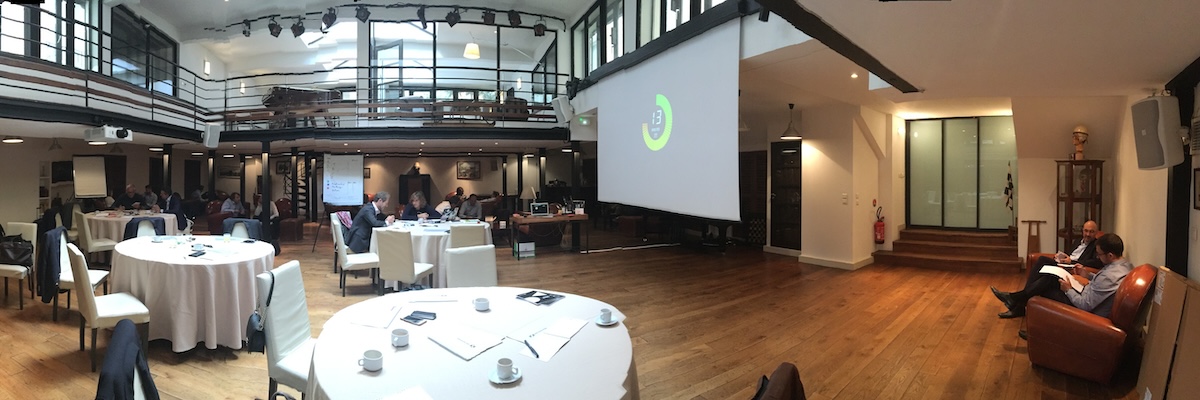
The Hygiene entity within L'Oréal Personal Care wanted to position itself with a startup mindset while keeping the core values of the brand. They were looking to take a step forward by running a collective experience that would establish and maintain a startup mindset in keeping with the culture of the group they belong to.
The aim was to create a synergy between the L'Oréal culture, which is focused on efficiency and results, and a research culture that pays attention to detail and works without barriers. They also wanted to address subjects such as collaboration, managing uncertainty and strengthening team spirit.
- challenges
Several obstacles stand in the way before a startup culture can be established within the client entity. Here are those challenges in detail:
- Understanding the startup mindset and how it fits the existing culture. The first danger would be to work on the Startup mindset without taking account of the cultural history of the company. That calls for pinning down the elements of startup culture, and putting the current culture into words, before working out how it can fit into the existing culture of the entity. This needs a deep understanding of the values, practices and objectives of the entity, along with the key elements that characterise a startup.
- Individual and collective "Startup DNA" diagnostic. Before making any changes, it is essential to run a diagnostic that is both individual and collective to assess how far employees are already aligned with the startup mindset. This diagnostic identifies strengths and weaknesses, along with opportunities for quick improvements.
- Working as a group on the elements of startup culture. Once the startup mindset is well understood and the gaps with the current company culture are identified, the next challenge is to work as a team to sort the elements of that culture (such as radicality, collaboration and focus) that can be adopted from those that cannot, or should not. This calls for brainstorming sessions and workshops to discuss and decide collectively which elements to bring in.
- Identifying together the steps needed to develop this culture. The last challenge is to plan and carry out the steps needed to establish this new culture. That has to be done with the limits and constraints of the organisation in mind, such as the resources available, the skills of employees, the vision of the group and the long term objectives.
These challenges call for a methodical and collaborative approach involving both management and employees, so that the transition to a startup culture is both smooth and effective.
- stakes
The client set out the issues for this assignment as four working questions, detailed here:
- How do we keep the integrity of our entity within the group? This raises the question of the identity of the entity inside a larger group. The challenge is to maintain the values, objectives and practices that make this entity distinctive while aligning with the overall vision of the group. That calls for effective communication and a well defined strategy to avoid diluting the identity of the entity.
- How do we build an aptitude and talent approach into our practices? The objective here is to put in place a system that values the individual talents and skills of employees. That means reworking recruitment, training and performance management methods so that they focus on aptitudes and talents rather than on more traditional criteria.
- How do we use Lean-Startup day to day? Adopting the Lean-Startup method represents a major change in the way projects are managed and delivered. It calls for a culture of experimentation, rapid iteration and adaptability. The challenge is to train employees in these new methods and build them into daily processes.
- How do we sell our DNA internally and externally? The last issue concerns communication and marketing of the identity of the entity, both inside and outside the group. That calls for a solid communication strategy that puts forward the values, achievements and objectives of the entity in order to attract talent and partners, while strengthening the sense of belonging among current employees.
These issues are a fundamental part of the transformation the entity wants to undertake. Addressing them is therefore essential to the success of the assignment.
- solution
Understanding
Comparison
Exploration
Integration
- results
For confidentiality reasons I can only mention 4 effects:
- Collaboration. The cultural markers were selected collectively, so that every team brought its own view of the values of their entity and of its place within the group
- Differentiation. Rather than copying a cliched startup mindset, the team identified and adopted a philosophy that sets it apart by extending the founding values of the group: Passion, Innovation, entrepreneurial drive, open mindedness, pursuit of excellence and responsibility
- Taking responsibility. By identifying the obstacles to the cultural transformation ahead, managers take ownership of these potential risks and are ready to act if they arise.
In conclusion, the work succeeded in establishing a startup culture within the entity while respecting the values and objectives of L'Oréal. The result is a team that is more engaged, more productive and better equipped to meet the challenges ahead.
TO ORGANISE A KEYNOTE, A WORKSHOP OR A MASTERCLASS