

The future of HR in a digital world at Raja
Bringing expertise together in co-creation workshops to reinvent the HR function
- client request
For its summer HR seminar, the HR director at Raja wants me to run a seminar focused on the future of Human Resources in the digital age. The seminar needs to combine talks and workshops, with the emphasis on HR roles and the HR function, and it should take both a theoretical and a practical approach.
The tone of the seminar is meant to be light and entertaining, favouring discovery and reflection over heavy study. The HR director wants to build in a number of "world café" sessions and would like to invite a well known figure from digitalisation or e-commerce.
The client wants every participant to leave the seminar with a clear understanding of what digitalisation means for areas such as management, pay, client relationships and the market. The seminar has to take account of the five group values, which are trust, transparency, collaboration, sharing and recommendation. Particular attention will also go to exploring new tools for performance tracking, information sharing, feedback, wellbeing and the management of objectives.
- challenges
Organising the seminar on the future of Human Resources in the context of digitalisation for the HR director at Raja is an ambitious task, with several key challenges to meet for it to succeed and have a lasting impact.
Identifying and prioritising the transformations to consider. It is essential to work out which changes are the most relevant and the most urgent for the company, so they can be built effectively into the overall design of the seminar.
Orchestrating a collective experience with many dimensions. This means creating an inclusive and stimulating environment where people from different sectors, generations and cultures can work together effectively, share their knowledge and their perspectives, and contribute to building innovative solutions.
Producing concrete deliverables. This makes sure that the ideas and solutions generated during the seminar are actually put into practice, leading to tangible and positive change within the company.
Supporting the cultural transformations. This calls for close coordination and effective communication with every department involved, so that the cultural changes are properly understood, accepted and embedded across the organisation.
Inviting experts in the field. Their expertise and their insight will be essential to enrich the discussions and give participants valuable direction.
- stakes
The digitalisation of human resources is a significant process that changes not only how companies manage their people, but also how those people interact with each other and with their organisation.
Improving the employee experience. Setting up dedicated digital platforms can make HR processes easier, from application to career management, and through training and skills development along the way. A better employee experience translates into higher engagement, higher satisfaction and better retention of talent within the company.
Streamlining HR processes. Digitalisation makes it possible to streamline HR processes by automating time consuming administrative tasks, which frees teams to concentrate on higher value work such as recruitment strategy or talent development. According to a Gartner study, 88% of organisations had already accelerated their digitalisation before the pandemic, which shows how important process improvement is.
Attracting talent. Having innovative and effective digital tools can play a key part in attracting and retaining talent. The newer generations of workers, used to digital technology, expect companies to adopt modern and effective tools to manage their careers and their professional development.
Developing skills. Digitalisation also opens up new opportunities for training and skills development. Online learning platforms, webinars and digital assessment tools give employees easy access to training and development resources, which builds the skills and the adaptability of teams.
- solution
The DNA of digital
Cultural transformation
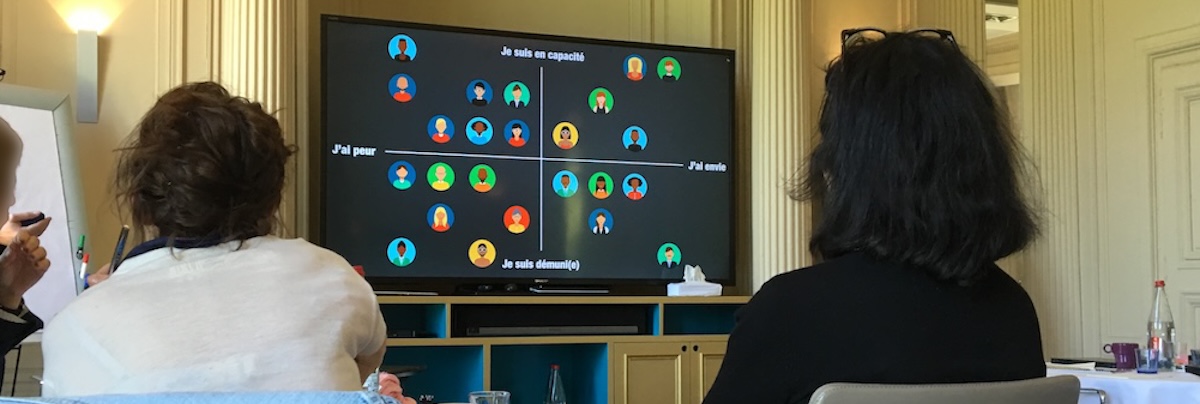
HR Hackathon
Digitalisation ideas
- results
The seminar on the digitalisation of human resources produced several significant results for the HR department and, in the end, for the company as a whole
A better understanding of digital tools. The people in the HR department gained a deeper understanding of the digital tools available and of how they can be used to improve HR processes, from talent management to training, and through payroll and development along the way.
Streamlined HR processes.The team agreed unanimously that adopting digital solutions could streamline HR processes significantly, cutting the time spent on administrative tasks and lifting the overall efficiency of the department.
Cultural change. Despite a pyramid structure, the HR department identified several cross functional projects tied to the digital culture it wants to establish in the company. That culture should rest on simplicity, speed, collaboration and decentralisation. Thanks to the startup founders and experts invited during the seminar, the team now has an overall digital culture that is ahead of its sector.
Skills development for the HR teams. The seminar gave the HR teams opportunities for training and development, helping them stay current with the latest trends. From modernising recruitment to going paperless with payslips, 8 projects were explored and pitched by participants in co-design mode during the seminar.
Legitimacy. While the IT department was taking the lead on the transformation, the HR service has become legitimate and recognised again as a partner in the digital transformation. Working from the premise that digitalisation is first an HR capacity for change and collaboration before it is a question of tools, HR gains autonomy and freedom to act.
TO ORGANISE A KEYNOTE, A WORKSHOP OR A MASTERCLASS